
Specialty Knives for Display and Heritage
Collector Blades in Amarillo and Lubbock for Damascus steel knives and limited-production craftsmanship
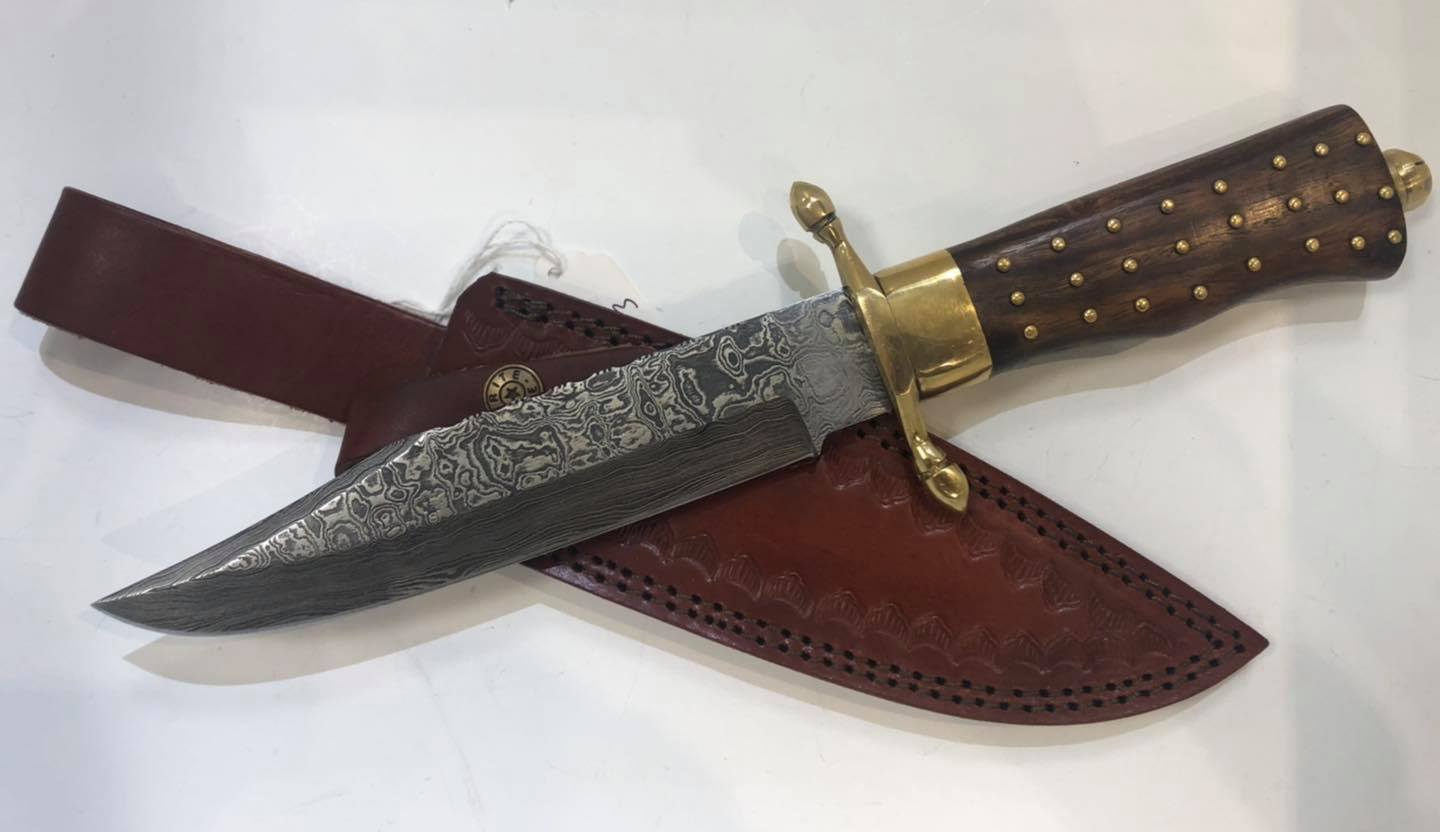
West Texas collectors searching for blades that combine functional design with pattern-welded steel or small-batch production runs find pieces that display differently than production knives. The Knife Guys stocks collector blades featuring Damascus patterns created through forge-welding multiple steel layers, custom handle materials like stabilized wood or natural bone, and limited runs from makers who prioritize craftsmanship over volume production. These knives appeal to collectors building themed collections around blade styles, regional makers, or specific forging techniques rather than strictly utilitarian tool acquisition.
Collector-grade knives differ from production blades through hand-finishing details, maker's marks, and material combinations not found in factory runs. Damascus steel patterns result from folding and welding steel layers repeatedly to create distinctive ripple or twist patterns visible on the blade surface, while handle materials range from stabilized exotic woods to fossilized materials that make each knife visually unique.
Stop by the Amarillo or Lubbock location to view current collector inventory and discuss specific makers or blade styles you're pursuing.
Understanding Collector Knife Value Elements
Damascus blade patterns vary based on the steels used in forging and the folding technique employed—random patterns show irregular flowing lines, ladder patterns display parallel lines across the blade, and twist patterns create spiral designs achieved by twisting the steel billet during forging. Maker reputation, production numbers, and finishing quality affect collector value more than blade size or steel performance characteristics—knives from established custom makers with limited annual output typically appreciate while mass-produced "collector editions" do not.
When you acquire a collector blade, you receive documentation of materials used, maker identification, and production details that establish authenticity and provenance for future resale or collection insurance purposes. Display considerations include preventing humidity exposure that causes Damascus patterns to develop uneven patina, protecting exotic handle materials from temperature extremes, and storing knives in positions that prevent edge contact with other pieces.
Collector knives range from historically inspired designs like Bowie knives and camp knives to modern interpretations of traditional patterns with contemporary materials. Some collectors focus on regional makers, others pursue specific forging techniques like San Mai construction where hard core steel is jacketed with softer layers, and some build collections around functional categories like hunting or tactical designs executed at premium craftsmanship levels.
Collector Knife Considerations
Buyers building collections typically ask about authenticity verification, value retention, and proper storage for preserving both appearance and investment quality.
What blade length handles most West Texas game?
Four-inch blades provide enough edge for deer and hog processing while maintaining control during detail work, though hunters processing larger animals or working through heavy hide often prefer five- to six-inch blades for fewer strokes per cut.
How does blade thickness affect field performance?
Thinner blade stock between 0.125 and 0.156 inches slices more easily through tissue and hide, while thicker blades above 0.187 inches offer greater strength for prying joints and chopping through bone but require more effort during skinning cuts.
Why do some hunting knives have gut hooks?
Gut hooks at the spine near the tip allow you to open hide from the inside without puncturing internal organs, though they require careful technique and add a feature that complicates sharpening for hunters who prefer simpler blade profiles.
What handle material works best during processing?
Rubberized or textured polymer grips maintain traction when wet better than wood or smooth leather, which becomes slippery once blood-soaked—important during extended processing sessions in Lubbock field conditions where water for cleaning may be limited.
When should I carry a dedicated skinner versus a general hunting knife?
Hunters processing multiple animals per season benefit from dedicated skinning blade curves that speed hide removal, while occasional hunters or those field-dressing only before transport often find general drop-point designs more versatile for camp tasks beyond game processing.
The Knife Guys rotates collector inventory based on maker availability and acquisition opportunities, with pieces ranging from affordable entry-level custom work to investment-grade blades from established makers with national reputations. Visit the Amarillo or Lubbock shop to discuss your collection focus and review available pieces that match your interests in blade style, forging technique, or maker provenance.